
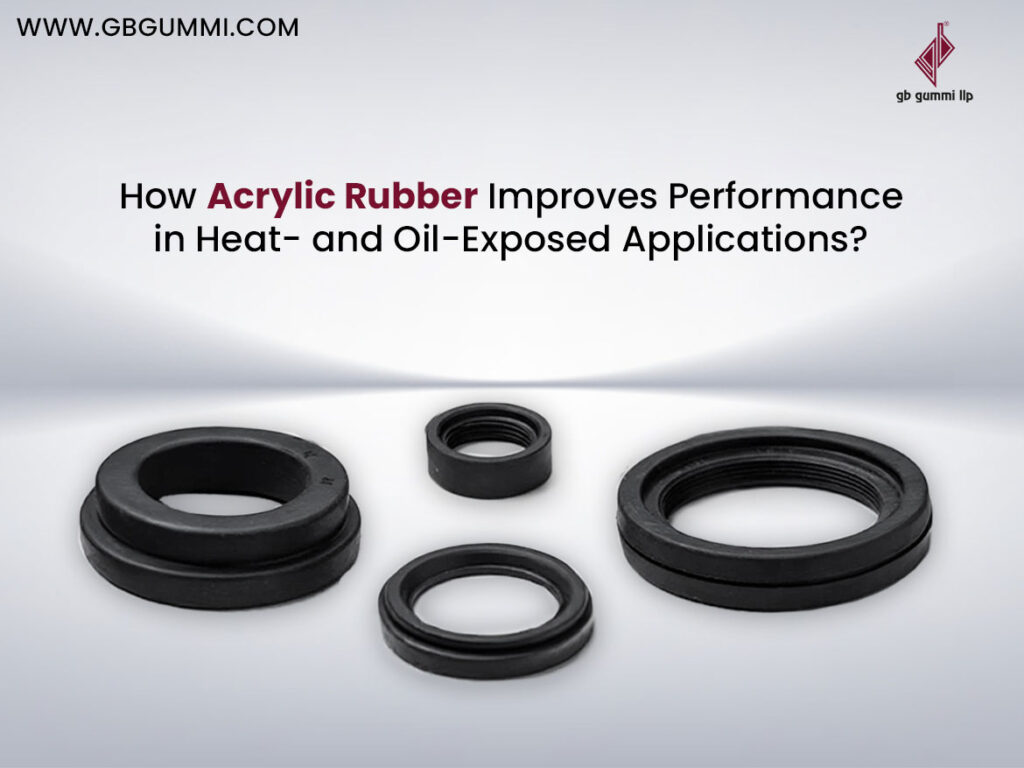
Many machines and industrial systems work in tough conditions. These machines may be exposed to high temperatures, oils, chemicals, and constant movement. Over time, these conditions can damage materials and reduce the performance of machine parts. Because of this, industries need materials that are strong, flexible, and reliable.
One material that works well in these conditions is acrylic rubber. It is known for its ability to withstand heat and oil while remaining strong and flexible. Because of these qualities, acrylic rubber is widely used in automotive and industrial applications.
When machines use materials that withstand harsh conditions, they perform better and require less maintenance. This is why industries choose materials that are designed for demanding environments. Acrylic rubber has become an important material because it enables machines to operate smoothly even under difficult conditions.
In this blog, we will understand what acrylic rubber is, why it works well in harsh environments, and how industries use it in different machines and equipment.
Introduction to Acrylic Rubber
Acrylic rubber, also known as ACM rubber, is a type of synthetic rubber. Synthetic rubber is made using chemical processes rather than from natural sources.
Acrylic rubber is designed to perform well in high temperatures and oily environments. These properties make it useful for machines that operate in demanding conditions.
The material is made from special chemical compounds that help it resist heat, oil, and aging. As a result, acrylic rubber can maintain its strength and flexibility even after long-term use.
Manufacturers often create different rubber compound mixtures using acrylic rubber. As a result, these compounds are designed to match the needs of specific machines and equipment. By doing so, manufacturers can improve the material’s performance for different industrial uses.
Key Properties of Acrylic Rubber
Acrylic rubber is widely used for its useful properties, which enable it to perform well in harsh environments.
- High Heat Resistance: Acrylic rubber can handle high temperatures without losing its strength. This makes it useful in machines that produce a lot of heat, such as engines and industrial equipment.
- Good Oil Resistance: ACM rubber performs well in environments where parts are exposed to oils and lubricants. Oil can damage many types of rubber, but acrylic rubber is designed to resist this damage.
- Resistance to Aging: Over time, many materials lose their strength due to heat, oxygen, and environmental exposure. Acrylic rubber is resistant to aging, which helps it last longer.
- Durability: Acrylic rubber can handle constant stress, vibration, and movement. Because of its durability, it is suitable for continuous operation.
These properties make acrylic rubber a reliable material for industries that require strong and long-lasting components.
Common Uses of Acrylic Rubber
Because of its resistance to heat and oil, acrylic rubber is used in many machines and industrial systems.
Some common applications include:
- Transmission seals in vehicles
- Engine gaskets
- Oil-resistant O-rings
- Industrial machine seals
- Vibration control components
In vehicles, acrylic rubber is often used in transmission systems where parts are exposed to hot oil. As a result, the material helps prevent leaks and keeps the system working properly.
Similarly, in industrial machinery, acrylic rubber is used in sealing components that must withstand continuous stress. In turn, these seals help prevent fluid leaks and ensure machines run efficiently.
Because of its strength and reliability, acrylic rubber is used in both automotive and industrial sectors.
Benefits of Using Acrylic Rubber
Industries prefer acrylic rubber for several key advantages.
- Reliable Performance: The material performs well in environments with heat and oil.
- Long Service Life: Rubber parts made from acrylic rubber usually last longer than those made from other materials. This helps reduce maintenance and replacement costs.
- Better Machine Protection: Good sealing helps prevent leaks and protects machine parts from damage.
- Suitable for Demanding Conditions: Acrylic rubber can handle harsh working environments where other materials may fail.
These benefits make acrylic rubber a trusted material for many industrial and automotive applications.
Importance of Rubber Compounding in Acrylic Rubber
The performance of acrylic rubber products depends on how the material is prepared. Manufacturers use special processes called rubber compounding to improve the material’s properties.
During this process, different ingredients are mixed with acrylic rubber to create a rubber compound. This compound is designed to match the needs of specific machines or equipment.
Rubber compounding helps improve the strength, durability, and performance of the final product.
Get the Premium Acrylic Rubber Solutions from GB Gummi
Acrylic rubber is known for its excellent resistance to heat, oil, and aging, making it a reliable choice for demanding industrial applications. As a result, its ability to maintain performance under stress makes it essential for industries that require durability and consistency.
Therefore, at GB Gummi, you get high-quality acrylic rubber solutions designed to meet these exact demands. We specialize in producing advanced rubber materials for industrial use, backed by strong expertise in rubber compounding.
With extensive experience, we develop durable rubber compound solutions that perform reliably in challenging environments. Our materials are engineered to handle heat, oil, and mechanical stress while maintaining long-term performance.
By focusing on quality and consistent manufacturing, GB Gummi supports industries that depend on strong, dependable rubber components.