
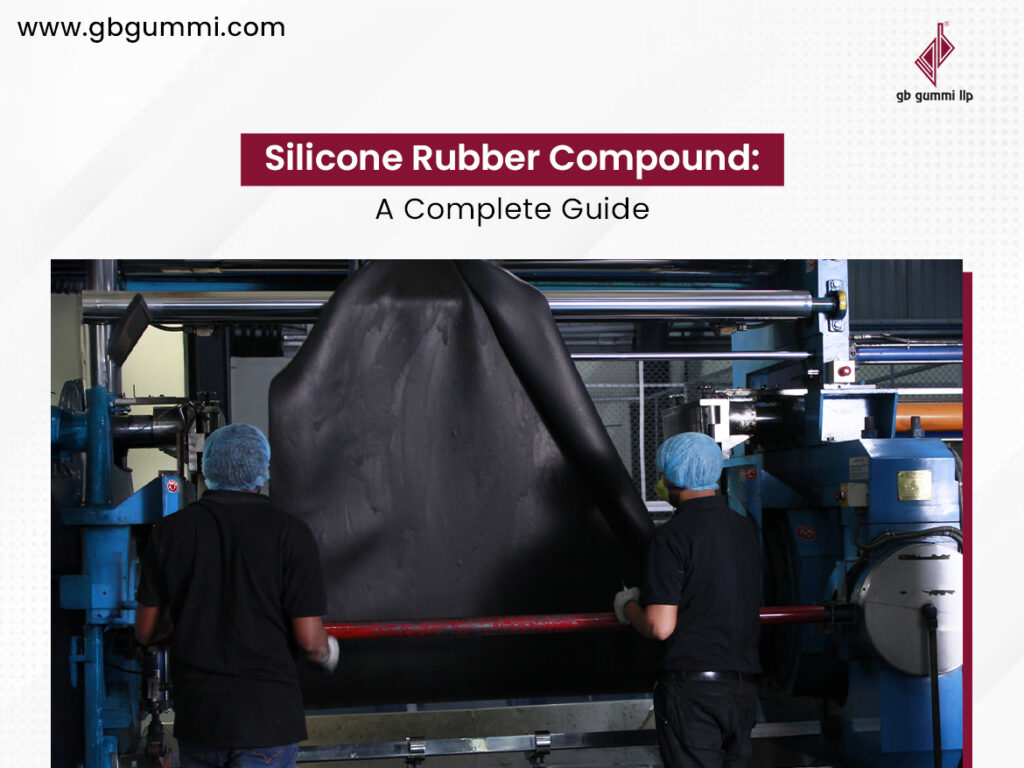
Silicone rubber compound is widely used across industries due to its flexibility, durability, and resistance to extreme temperatures. This material plays a key role in manufacturing products for healthcare, automotive, and electrical applications. Understanding its properties and benefits helps industries choose the right grade for their specific needs.
Let’s discuss what makes silicone rubber unique, its different types, and where it is commonly used.
What Is Silicone Rubber Compound ?
Silicone rubber is a synthetic elastomer made from silicon, oxygen, carbon, and hydrogen. It is known for its excellent heat resistance, flexibility, and electrical insulation properties. Unlike organic rubber, silicone rubber remains stable in both high and low temperatures, making it suitable for demanding applications.
Composition of Silicone Rubber
Silicone rubber consists of:
- Silicon and Oxygen Backbone – Provides excellent thermal stability.
- Hydrocarbon Side Groups – Enhances flexibility and durability.
- Curing Agents – Improve strength and usability for different applications.
Key Properties of Silicone Rubber Compound
Silicone rubber compound offers several advantages that make it ideal for various industrial applications.
- Temperature Resistance
Silicone rubber can withstand temperatures ranging from -60°C to 250°C without losing its properties. This makes it highly suitable for applications where extreme heat or cold is a concern.
- Flexibility and Elasticity
This material remains highly flexible even under extreme environmental conditions. It does not become brittle in cold temperatures, maintaining its elasticity for a long time.
- Chemical Resistance
Silicone rubber resists damage from water, ozone, UV radiation, and a wide range of chemicals. It is an ideal choice for outdoor applications as it does not degrade easily.
- Electrical Insulation
Due to its non-conductive nature, silicone rubber is widely used in electrical insulation applications. It prevents electrical leakage and provides safety in high-voltage equipment.
- Durability and Longevity
Silicone rubber does not break down easily, ensuring a long lifespan even in harsh environments. Its resistance to weathering and aging makes it a preferred choice for many industrial applications.
Applications of Silicone Rubber
Silicone rubber compound is used in various industries due to its versatile properties. Let’s take a closer look at how different industries utilize this material.
Automotive Industry
- Used in engine gaskets, seals, and hoses for high-temperature resistance.
- Ensures durability in harsh operating conditions.
- Reduces friction and prevents leaks in mechanical parts.
Medical and Healthcare
- Used in medical implants, tubing, and seals.
- Non-toxic and biocompatible, making it safe for direct contact with human tissue.
- Highly resistant to bacterial growth, ensuring hygiene in medical settings.
Electronics and Electrical Industry
- Used in insulation, keypads, and gaskets.
- Prevents moisture damage and ensures electrical safety.
- Reduces electrical interference, enhancing device performance.
Consumer Goods
- Found in kitchenware, baby products, and sports equipment.
- Heat-resistant and safe for food contact.
- Provides a non-slip grip for various household items.
Types of Silicone Rubber Compound
Silicone rubber compound are available in different grades to suit specific applications.
1. General-purpose Silicone Rubber
It is used in industrial and household applications and it also offers good flexibility and moderate heat resistance.
2. High-Temperature Silicone Rubber
It is designed to withstand extreme heat without degrading, and it is Ideal for automotive and aerospace applications.
3. Medical-grade silicone Rubber
Specially formulated for biocompatibility, and it is also used in surgical tools, implants, and prosthetics.
4. Flame-Retardant Silicone Rubber
It is developed for applications requiring fire resistance and it is used in electrical and safety equipment.
How to Choose the Right Silicone rubber compound
- Selecting the right silicone rubber depends on several factors, including:
- Mechanical Properties: Assess flexibility, tensile strength, and durability.
- Temperature Requirements: Consider whether the material needs to withstand high or low temperatures.
- Chemical Exposure: Choose a formulation resistant to specific chemicals and environmental conditions.
- Industry Standards: Ensure the compound meets regulatory requirements for its intended application.
GB Gummi’s Expertise in Silicone rubber compounds
We specialize in high-qualitysilicone rubber compounds tailored to various industries. With a strong focus on precision and durability, they provide solutions that meet the highest industry standards. Their expertise ensures reliable performance in applications where material quality is essential.
We understand the needs of industries requiring premium silicone rubber solutions. Their extensive range of Silicone rubber compounds caters to automotive, healthcare, and electrical applications. With a commitment to delivering superior materials, they help businesses achieve long-lasting performance and reliability.
For more details about our products and how they can benefit your business,visit our website to explore our offerings.
2. What is the process of rubber compound mixing?
The process of rubber compound mixing involves blending natural or synthetic rubber with fillers, oils, curatives, and specialty additives to achieve desired properties. This is typically done using internal mixers or two-roll mills under controlled conditions. Precision in mixing ensures consistency in strength, elasticity, and resistance. GB Gummi uses advanced automated systems to monitor every step of rubber compound mixing, guaranteeing high-quality and reliable formulations for demanding applications.
3. What is a silicone rubber compound?
A silicone rubber compound is a high-performance elastomer created by blending silicone polymers with fillers, curing agents, and stabilizers. Known for its flexibility, temperature resistance, and biocompatibility, it’s widely used in industries where durability and safety are critical. GB Gummi develops customized silicone rubber compounds designed to deliver consistent performance in demanding environments, ensuring reliability for applications in automotive, healthcare, and industrial sectors.
4. What are the common applications of silicone rubber compounds?
Silicone rubber compound is highly versatile, making it suitable for a wide range of uses. It is commonly applied in medical devices, food-grade seals, automotive gaskets, electrical insulation, and high-temperature hoses. Its resistance to extreme temperatures, weathering, and chemicals makes it reliable across industries. GB Gummi provides tailored silicone rubber compounds that meet specific requirements, ensuring durability, safety, and compliance with international standards for specialized applications.
5. How is silicone rubber compound manufactured?
Silicone rubber compound is manufactured by combining silicone polymers with reinforcing fillers, pigments, and curing systems in advanced mixing equipment. The process requires precise temperature and pressure control to achieve uniformity and stability. GB Gummi employs state-of-the-art mixing technology and strict quality checks to ensure consistency in every batch of silicone rubber compound. This results in reliable, high-performance materials suitable for critical applications in diverse industries worldwide.